by Christie Purifoy | Apr 8, 2014 | Easter, Gardening, Jesus, Lent, Scripture, Seasons, Spring, Uncategorized
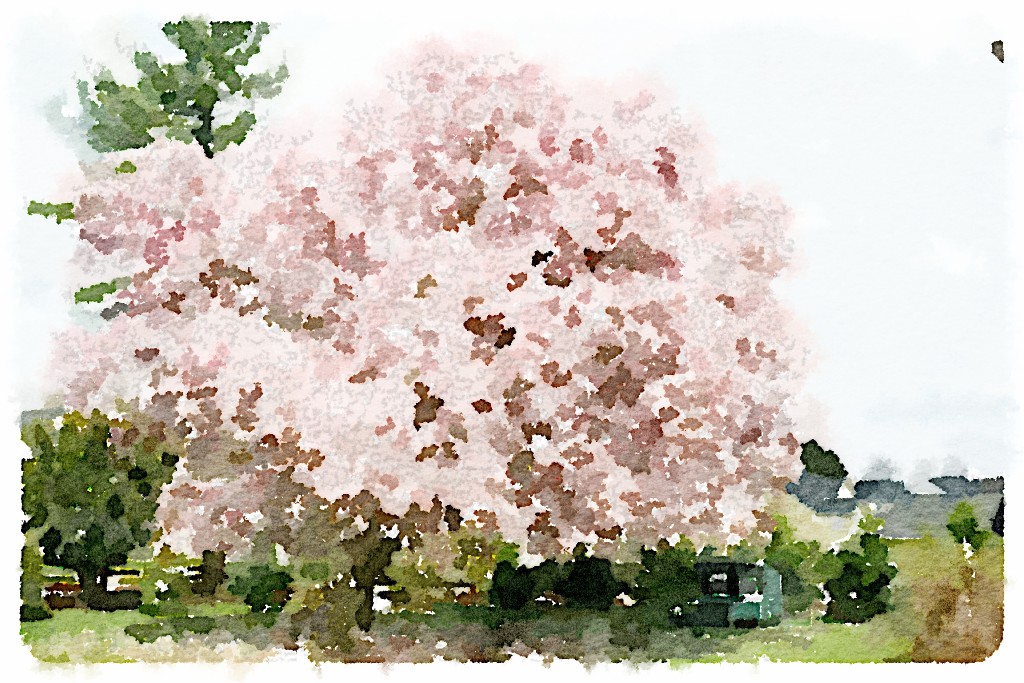
Today, I glimpsed the first haze of pink on the old magnolia tree that towers over one corner of our yard. It is a magnolia tree worthy of a fairy-tale palace, but it presides over a chicken coop and a child’s yellow plastic swing. In summer it becomes the world’s largest shade umbrella, but in April it is a miracle. Too impossibly beautiful to be true.
I have witnessed this tree in bloom only once. I have waited eleven months to bear witness for a second time, but I am scheduled to leave town tomorrow for five days.
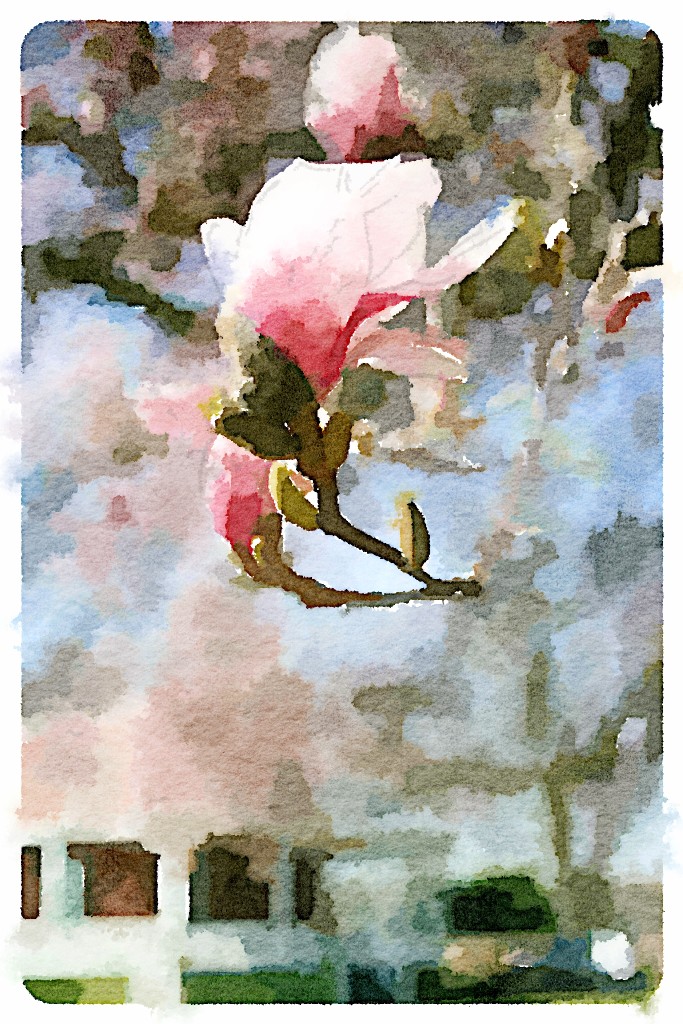
I can hardly bear it. Five days of good books and good talk and good friends, but I would trade all of it to be there the very moment the first pink flower opens. I imagine that if I am there I will finally solve a great mystery. If I stand still, and I do not blink, perhaps I can determine once and for all whether the flowers open or whether they alight on the branches like a flock of pink birds.
Last year, I blinked and became sure a great crowd of delicate rose-tinted wings had settled in the branches overnight.
***
***
Set your mind on things above. Those were the words I remember printed on the postcards and posters, magnets and bookmarks in the Christian bookstore I used to visit as a child. I do not remember any books in that store. But I remember Precious Moments figurines, and I remember those words.
Even as a child, I mistrusted them. And not only because they showed up on magnets meant to secure grocery lists to refrigerator doors.
They are good and true words. They are Scripture words, but they seemed at odds with my own way of seeing. As long as I can remember, I have been taken with the miniature flowers blooming in the crack of a sidewalk. With acorn caps like fairy hats. With the hollow spot in the trunk of the mulberry tree, just the right size for my small china dog.
In other words, I have always seen worlds at my feet. I have always seen infinity under a magnifying glass.
And if this great “above” is the blankness of the sky, if it is only a screen onto which I project my preconceived ideas about the Christ who is holding everything together, then I will stick with the things below. Not money or plans. Not ambition or to-dos. But the things we pass by in our rush toward all that does not matter.
Dead, brown grass beginning to creep with green.
Daffodil leaves like bunny ears reaching just a bit higher every day.
And even the heartbreak of tulip leaves chewed to the quick by hungry deer.
***
If I must set my mind on some thing above, I will not let it float too high. I will set it just there, no higher than the highest branch of the world’s most beautiful magnolia tree.
I will set it there, and remember what the stories say. That we began to walk with God in a garden. That Jesus the Christ gave the thief on the cross a great promise: Today you will walk with me in a walled garden, a paradise.
And I will turn my eye toward eternity in the very spot where eternity begins.
Which is the ground, the ever-flowing, ever-renewing, ground beneath my feet.
***
***
by Christie Purifoy | Apr 1, 2014 | Easter, Florida, Home, Jesus, Lent, Pennsylvania, river, Seasons, Spring, Uncategorized
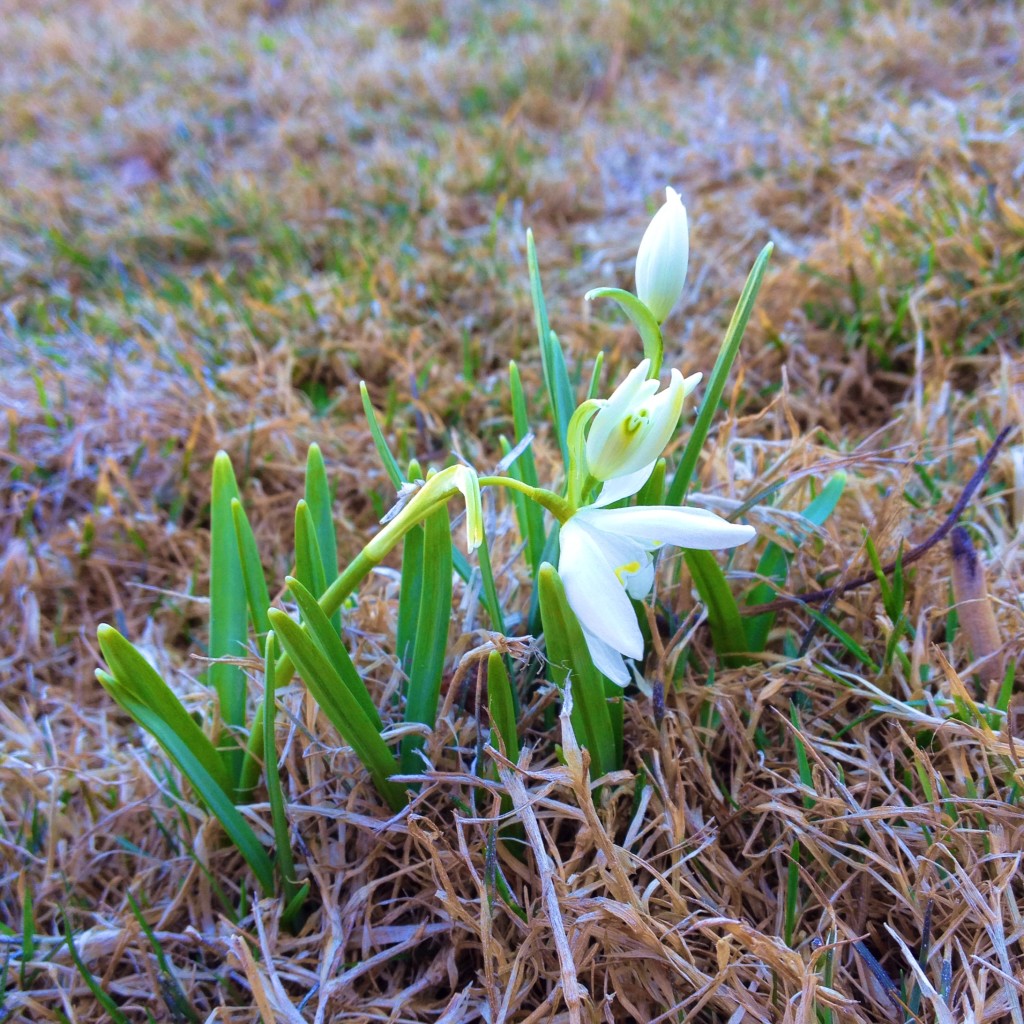
I have seen the first snowdrop, and I have seen the first crocus. Eight baby chicks are cheeping away in our basement.
Seasons generally do not shift like clockwork. They tend to pour like water. But as I stood in the yard yesterday, ringing that snowdrop bell with the tip of my boot, I was fairly sure that this was spring’s beginning. It’s exact, precise beginning, almost perfectly timed with the calendar month.
If spring has a beginning, it also has an end. I could see it unfolding in my mind’s eye: from snowdrop and crocus through daffodil and tulip and all the way on to snap peas and strawberries ripening in June.
***
Three years ago, I was living in Florida. I had only ever been in Florida for vacation, and our two years living there felt like an endless vacation. Which sounds lovely but was, in reality, devastating. At a certain point in every vacation, if that vacation is long enough, you find that you want nothing more than to go home.
Living in Florida, I couldn’t put down roots no matter how hard I tried. And every day my longing for home grew. I cried rivers of tears, and my tears were a prayer: God, please bring me home.
Often when we pray, we have some object in mind. I certainly tend to. But this prayer was different. It was more desperate, and, I think, more powerful, because I had no idea where my home might be. I only knew I needed it. Wanted it. Could hardly live without it.
In my desperation, I began to hear God speak. There is a ballpoint-ink star in my Bible. It is dated three years ago, and it marks these words: “A fountain will flow out of the Lord’s house” (Joel 3:18). Beneath those words I wrote this: “Fountain House Dream.”
I can no longer remember what I thought those words meant. Quite likely I had no idea. Today, I am only beginning to understand them.
***
The day we found Maplehurst, our Pennsylvania home, we visited eight old houses. The only house with a fountain on the property was this one.
Since we moved here a year and a half ago, I’ve imagined that those words “Fountain House Dream” were a small but surprising confirmation. A way of knowing that, yes, this was the place for us.
But I am beginning to think these words mean more than that. I am beginning to think they point toward my true home, which is not opposed to this pile of bricks called Maplehurst, but somehow deeper. As if I could step inside my own front door, and into some other reality. Some endless place.
Spring at Maplehurst has a beginning and an end, and yet observing spring on this hilltop has shaped my imagination. I am waiting for my magnolia to bloom, but I am beginning to see a perpetual spring. Not simply a spring that returns every year, but a spring that is endless.
I believe we were made for spring. We were made for newness. We were made for a spring that never pours itself out. This is spring like a fountain. This is spring like living water – not still water – and it is always new.
I think, despite lying appearances, that we may be living in just this season. I think it began with the very first Easter. Jesus was a seed, planted in death and sprouted in resurrection, and that seed has been growing ever since.
And so it is spring, though early spring. We still see so much dead grass. But come further up. Come further in. The snow has gone. Spring showers water the earth. Flowers are stirring, and water is flowing.
Easter will soon follow. It is our annual reminder, our yearly celebration: we are living a spring with no end.
***
(photo by yours truly)
***
by Christie Purifoy | Mar 11, 2014 | Desire, Dreams, Lent, rest, Seasons, Spring, Uncategorized, Winter
From my kitchen window I can see a blue plastic sled stranded at the top of a small hill.
Last year, our first spring at Maplehurst, we edged the hill on one side with blueberry bushes. We shored up the other side with an asparagus patch. We planted a peach tree and a cold-hardy fig like two flags at the top, but the kids have carved a downward path that manages, usually, to carry their sleds around their mother’s precious plants.
The snowcover on the hill is shrinking, and the sled is marooned. I can imagine it still sitting there in July, nearly forgotten in the weeds.
The sled I see clearly, but it is much harder for me to imagine July’s green abundance. Here, in early March, there are no signs of new life. Instead, the snow seems to be coughing up rusted buckets and wilted kickballs.
These hinge weeks between winter and spring are always ugly, but, thanks to February’s ice storm, this one is particularly awful. Brown grass and mud are mixed with splintered wood; our world looks as if it has only just survived some disaster.
From my kitchen window, I see a waste land.
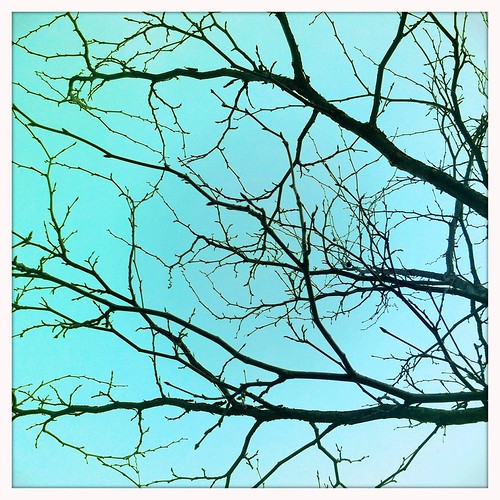
The trees, still bare, no longer remind me of elegant bones against the sky. Instead, they look naked, and I am ashamed for them.
***
***
At church, it is the first Sunday of Lent. The cross carried in procession is veiled in purple, as if we cannot yet bear the sight of our redemption. Easter, like spring, is still too good to be true.
The reading from the Old Testament this day is from Genesis. Adam and Eve discover their nakedness, and they are ashamed.
This season I am following my friend Sue’s example and praying daily one simple prayer: Search me, God, and know my heart.
This prayer is simple and brief, but it isn’t easy to pray. It feels like a deliberate stepping out into the open with no clothes. Not even a fig leaf.
***
I thought this prayer would open my eyes to some sin. Instead, my eyes have been opened to something much more complicated.
T. S. Eliot describes it in his own meditation on a wasted, blasted land:
April is the cruelest month, breeding
Lilacs out of the dead land, mixing
Memory and desire, stirring
Dull roots with spring rain.
Winter kept us warm, covering
Earth in forgetful snow …
Winter’s rest is melting away, and I am waking up to a great desire. And I find this terrifying. Exhilarating, too.
Spring won’t truly arrive until I have dreamed and ached to pick asparagus, blueberries, peaches and figs. First, the longing. Then, the feast.
And the new plans God has for my life can’t be realized unless I first recognize the desire planted in my heart. Certain dreams will never come true unless I first wake up and remember them. But to remember them enough to pray for them is to stand naked before God. There is no more hiding the depth of my desire. There is no shrinking from the fear that he will say no or not yet. Sometimes spring is interrupted by a killing freeze.
God is tugging me – and you – towards resurrection.
But the road is a cruel one.
***
by Christie Purifoy | Jan 21, 2014 | Dreams, Florida, Gardening, Pennsylvania, rest, Seasons, Uncategorized, Waiting, Winter
In late December, the seed and nursery catalogs began arriving. I dove in. When I came up for air, I tried to remind myself I was planning a vegetable plot, not an eight-hundred square foot formal rose garden.
It is easy to get a little lost in a pile of seed catalogs.
These are the days for rest, both for you and your garden. Unless you live in Florida.
I’ve heard it said that southern gardeners should take their winter break in late summer. Which is sort-of true. No one can grow tomatoes in Florida in August. But, it is also not true at all. You may give your vegetable beds a break, but the grass, the weeds, and those horrible invasive vines covered in thorns do not take a break. Unless you want your house to disappear back into the primeval jungle, you had better not neglect the August garden entirely.
I only gardened in Florida for two years, but I am still recovering. As it turns out, I need a good long break from working my bit of ground.
I need a season for rest. I need a season for dreams.
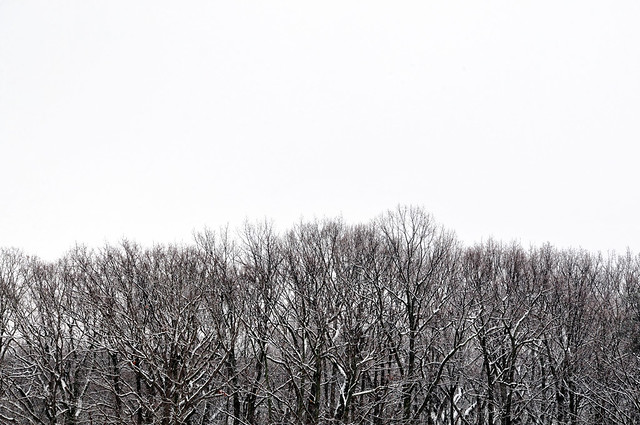
Rest can be painful. A persistant ache. Dreaming hurts.
I love winter in the north, but I don’t find it easy. I long for sunshine. For warm air on the skin of my arms. For flowers and green grass and those little breezes that feel like a caress. It is a season for rest, but this means it is also a season for waiting, for desiring, for pressing hard against the blunt edges of everything you dream about but do not yet hold in your arms.
It is a season of emptiness.
True rest means returning to God. But this is not as easy nor as pretty as it sounds. It is often anguish that sends us back.
Back to the source of dreams, back to the source of every good and new thing.
Back to the only One who can renew our hope.
by Christie Purifoy | Dec 14, 2013 | Advent, Books, children, Seasons, Uncategorized, Winter
It is at about this point in the season when I despair of reading every one of the books in our Advent / Christmas / Winter collection.
But then I remember – Christmas lasts 12 days! Of course, we’ll get to them. We only need a few more snow days to help us along.
Here are three more of my favorite books for the time of year.

Madeleine L’Engle’s The Irrational Season (The Crosswicks Journal, Book 3) makes excellent reading any time of year, but it is especially nice to pick up at Advent time. L’Engle’s meditation on the seasons of faith and life follows the traditional calendar of the Christian church, beginning with Advent.
There are so many things I could say about L’Engle’s work, I hardly know where to begin. Perhaps my favorite thing is L’Engle’s commitment to asking difficult questions. What I discover in her books – and in the Crosswicks journals, in particular – is that unknowing is not a scary place to be. In fact, L’Engle shows us that we can sometimes experience God’s presence in more beautiful and more comforting ways when we take the time to sit with the questions we do not have answers for.
Also, L’Engle’s family home, Crosswicks, has been described as a “farmhouse of charming confusion,” which pretty much sums up the thing I most hope to attain in life.
Hisako Aoki’s Santa’s Favorite Story: Santa Tells the Story of the First Christmas (with illustrations by Ivan Gantschev) is new to me this year, passed on by a kindred spirit.
This is a beautiful little book in its own right, but it is also a book that fills a very big need. Whether or not yours is a Santa-believing family, children can use our help integrating Santa (who is unavoidable this time of year) and the babe in the manger. Simply and sweetly (but not too sweetly) this book does exactly that.
Santa is still Santa (he works hard to share gifts with everyone, particularly, in this book, small forest animals), but he knows Christmas is not all about presents. In Santa’s words,
“Love was the gift God gave to us on the first Christmas, and it still is, you know.”
I appreciate that this book does not give us another storyline about Santa. It simply uses Santa, a character every child knows, to speak the most important story – the life-changing true story – of the first Christmas.
Lastly, we always make time for at least a few readings of Holly Hobbie’s Let It Snow (Toot & Puddle) . If you have not already made the acquaintance of these piglet friends, well then, I feel privileged to point you in their direction. These are books about the pleasures of friendship, the seasons, and the varied joys of far-flung travel and a quiet life lived close to home. Let it Snow offers more of this with the added drama of choosing just the right gift and wondering when it might snow. If I weren’t reading these books with wiggly children, I would feel inclined to pour a cup of tea before beginning each one.
Let me be explicit: Toot and Puddle are not just for kids!
I’ll be sharing a few more seasonal books next Saturday, but I’d love to know … what are you reading?
by Christie Purifoy | Nov 30, 2013 | Advent, Seasons, Uncategorized
Advent.
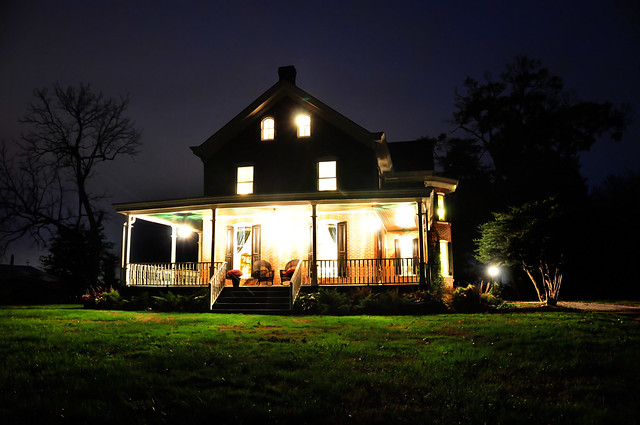
Here at Maplehurst, it is the darkest time of year.
Darkness isn’t only a condition on the other side of your window. Sometimes, it is a weight on your chest. Sometimes, it is a fog behind your eyes.
In other words, our walls and windows don’t always keep it out.
***
***
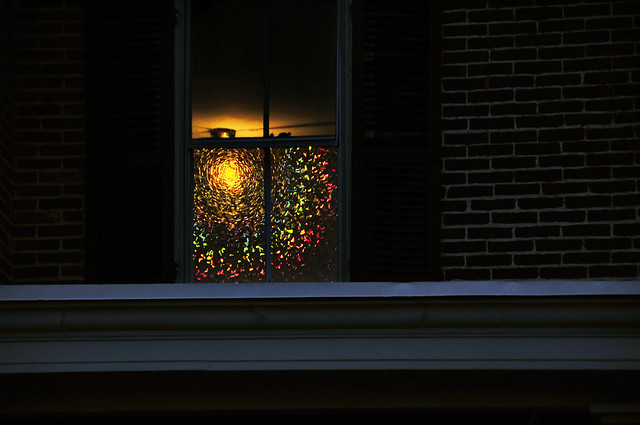
Two years ago, I was living in a wilderness. I was so desperate for light and newness I decided to post something – a reflection, a prayer, a poem, a scrap of song – every day of Advent. I knew my own efforts couldn’t make the light dawn any sooner, but I wanted to be ready when it did. I wanted to be there, waiting, with eyes wide open for those first streaks of gold in the eastern sky.
In early January that year, we found out our fourth baby was on the way. And I knew then some of what I’d been waiting for. Born in September, I still think of her as my Advent child. Without even realizing it, I was praying my way to her.
Last year at Advent, I held that same baby in my arms. I rocked her to sleep in my dream-come-true of a farmhouse, but there was something darker in my head than anything I could see through the wavy glass of these old windows. Was it hormones, sleep-deprivation, the unending tasks of moving and setting up a new home? Probably I can blame all of the above and more besides. I felt both completely ill-equipped to blog every day and desperate to mark my steps toward light and hope and the easy burden offered in Jesus.
One more year, and I am standing here again. Looking back, looking ahead.
Once again, I feel too tired. Too busy. Too small. But I also feel grateful. I feel as if something has accrued in these years observing Advent. The circle of the year has not brought me all the way back to the point where I began. These days may be dark, but, if I look honestly, I see how much brighter they are than any I’ve previously known.
***
Here is the paradox of advent: it is a season of quiet waiting and preparation, but this is quietness like tremors before an earthquake. Because every day is moving us closer to momentous change: the anniversary of a baby’s birth, the second coming of a King.
Yes, it is very dark. All seems still and unchanging. But can you feel the world turning? Can you feel that rushing beneath your planted feet?
At Advent, we return to the beginning (a new year, a baby’s birth), but we are always closer to the end (a wedding supper and a kingdom fully come). Like the movement of our planet, sometimes the swiftest path forward is also a return. And so, I am looking back and pressing on. I am remembering what has been and welcoming what is to come. I am waiting. I am standing still. Dawn is streaming ever closer to eyes open and arms held wide.
And I know this: Someone has come. Someone is coming. And every day brings us more.
I want more.
I want it for myself. I want it for this whole beautiful, broken world.
***
Advent cannot ever be fully practiced alone. Like the meeting of Mary and Elizabeth and their two unborn sons, our hope and expectation are meant to draw us together.
I am doing this again. Advent every day.
Will you join me?
**
**
You can find my previous Advent introductions here and here.
Find links to each Advent post on facebook. You can also subscribe and receive each Advent post in your email inbox.


