by Christie Purifoy | Apr 27, 2013 | Books, children, Family, motherhood, Uncategorized
Today, he turns four. My beautiful boy.
These are the books we read together. These are the books that will one day bring me to tears when I pack them up in boxes.
This Saturday’s book recommendations are all Beau-approved. And he is one discerning little guy.

I can no longer remember if I bought this book with Beau in mind. I think I did. All children love balloons, but Beau’s adoration is of long standing and un-paralleled intensity. Emily’s Balloon by Komako Sakai is beautiful. A book for little people and their grownups.
The story is simple but profound. The illustrations will melt your heart.
Best of all, this sweet little story of a girl and her balloon was one of the few books Beau was willing to sit through at age two that he still enjoys today.
This one’s a keeper.

Helen Oxenbury is one of my favorite children’s book illustrators. King Jack and the Dragon by Peter Bently, and illustrated by Oxenbury, was definitely purchased with Beau in mind.
Here is another one for littles and their parents. We appreciate the story of a child’s imaginative play (complete with giants who turn out to be mom and dad coming to bring Jack in for bed), and they get inspired to build their own backyard, dragon-proof, tent fortresses.
This is an old-fashioned book that doesn’t feel even the slightest bit old.

Alphabet books are funny things. They tend to feel baby-ish, and we often acquire them when our children are too little for alphabet lessons. The inscription in my copy of Gyo Fujikawa’s A to Z Picture Book reminds me that I bought this one for Beau’s first Christmas (he was eight months old).
Most books purchased too early begin to fade into the wallpaper of our lives. Understandably, we forget to pull them out when they might be age-appropriate. Thankfully, I remembered this one in time.
Beau (unlike his older brother at this age) has a strong fascination with the alphabet. I’m not sure if it’s an interest unique to him or if he’s been inspired by his two older book-reading siblings, but this book is exactly what he needs right now. It’s the kind of book he can actually “read,” and that means a great deal to this always-trailing-two-steps-behind third born boy.
Alphabet books are a dime a dozen, aren’t they? This one, however, is a work of art. Fujikawa’s illustrations are equal parts adorable and intricate. There is a gorgeous mix of black-and-white ink drawings and softer pastel full-color spreads.
This is a book to linger over, searching each drawing, slowly turning pages.
This is a book for sharing, side-by-side, underneath a quilt on a rainy day.
And only the best books are snuggling books.
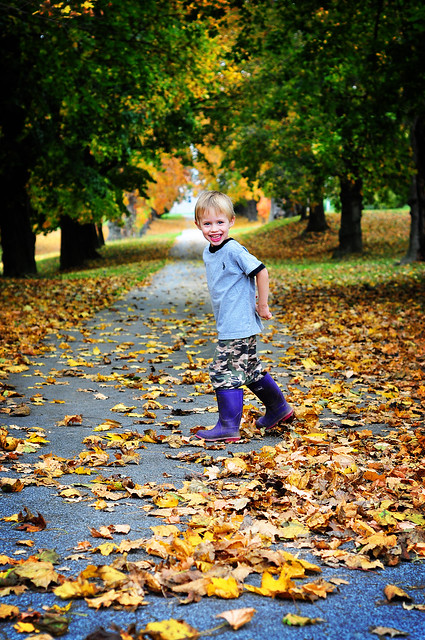
Happy birthday, Beau. I love you.
Mama.
p.s. I know you better than I did last year. You are one year closer to the Beau I glimpsed in that river of prayer.
by Christie Purifoy | Apr 20, 2013 | Books, Gardening, Home, Pennsylvania, Spring, Uncategorized
This is a gardener’s favorite time of year. All is new green growth and hopeful expectation. Weeds, bugs, and wilting heat are yet to come. Snow and freezing temperatures seem more and more remote.
It is my favorite time of year.
Whether you are an armchair gardener or a gardener with dirt under your nails (I’m a little bit of both), here are three books for the season.

Wild violets in the yard here at Maplehurst.
(all the photos in this post taken by yours truly)
Gardening books are some of the favorites on my shelves. In the age of google you’d imagine the internet would be a gardener’s best resource. In my opinion, the internet is almost too helpful. It can be difficult to sort the good advice from the bad, and I rarely google a gardening question without ending up overwhelmed. A well-edited, common-sense garden reference book is so much better.
My copy of The Garden Primer: Second Edition by Barbara Damrosch is creased and dirty. Like a good cookbook, this is a sign of its worth. When we planted apple trees, this book showed us how. When choosing blueberry varieties, I consulted this book. From roses to vegetables, from seed starting to planting bulbs, this book has just enough (and never too much) to say about almost everything that grows.

I need to learn the name of these white-flowering shrubs. They are stunning.
I bought The Tree Book for Kids and Their Grown Ups by Gina Ingoglia for my children. They’ve enjoyed it, but I know I’ve opened it up more than they have.
The watercolor illustrations are beautiful and informative. Yes, we could always turn to google images, but it is so much more satisfying to take this book along for a walk, identifying leaves and bark and fruit along the way.
It’s one of my goals to know the names of all the trees growing here at Maplehurst. This book is a very nice way to start.

Lawns without weeds or dandelions make me nervous. Our own lawn supports a healthy ecosystem of weeds.
The title of Ruth Stout’s Gardening Without Work: For the Aging, the Busy & the Indolent pretty much speaks for itself. Originally published in 1961, this book by the folksy grand dame of American home gardening is funny, entertaining, and, occasionally, quite helpful.
Stout’s advice can pretty much be summed up in one word: mulch. But, it’s a very good word. Ask me in a few years if mulching has really made vegetable gardening easier, however my broccoli seedlings do look very cozy in their mulched bed.

The magnolia blossoms are almost as beautiful after they’ve fallen.
Do you garden?
by Christie Purifoy | Apr 6, 2013 | Books, Uncategorized
The first books I ever truly loved were the Nancy Drew mysteries. In middle school I couldn’t get enough Sherlock Holmes, Hercule Poirot, and Miss Marple.
Today, mysteries are my number one comfort read. Actually, they’re just about the only thing I watch on television, too, provided they’re British.
This could explain why every time I take my kids to our local library (housed in an old railway station), I imagine myself in shoulder pads, sensible pumps, and wicked red lipstick making a dash for the 9:42 to London (even though I told my nosy neighbor I was taking the 8:42). Of course, our dimwitted constable will take my alibi for granted until Miss Marple proves me a liar.
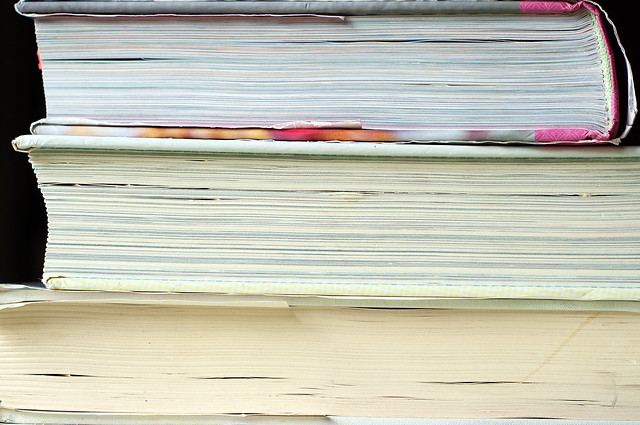
Wait, you’re saying you don’t have daydreams like this? Well, you should read more books like these …
//
//
Margery Allingham’s The Tiger in the Smoke: Albert Campion #14 is a classic, and it’s my favorite of the Albert Campion mysteries. You could read the first thirteen (something I do recommend you do eventually), or you could dive right into the best.
London is blanketed in a great fog, and a fierce, knife-wielding killer is on the loose. Allingham’s novel has the lightness and wit of all her Campion books, but this one is much more intense and terrifying. As other reviewers over the years have pointed out, this novel seems to straddle a literary dividing line. Feet planted in the golden age of detective fiction, it nonetheless looks forward to the contemporary psychological thrillers so familiar to us now.
The novel also has a theological bent that is (ironically) rare in these books about crime, death, and justice. There’s much more to contemplate here than just the goosebumps on your arm.
Lead us not into temptation, for of that we have already enough within us and must resist it as best we can in our own way. But deliver us, take us away, hide us from Evil.” – Margery Allingham
My next recommendation is much less serious, though it, too, centers on a creepy, mind-boggling murder. This is Edmund Crispin’s The Moving Toyshop: Gervase Fen #3 . I have yet to read numbers one or two, but number three is a treat.
In the interest of full disclosure, the crime-solver in this series is an Oxford literature professor, so my love for this book is easily explained. However! Amazon.com has just informed me that P.D. James (more about her below) named this book one of the top five mysteries of all time. So, I think this one has appeal beyond my own particular niche demographic.
Here’s the plot in a nutshell: Richard Cadogan is a poet in need of a vacation. He heads to Oxford where, toward the middle of the night, he discovers a murdered corpse in the apartment over a toyshop. Bashed over the head, Cadogan spends the night stuffed in a closet. He escapes and returns with police the next morning, but … the toyshop has disappeared. Of course, this is a case for Gervase Fen (Oxford Don extraordinaire).
This novel is funny, farcical, ridiculous, and, simply, wonderful. It is by far the most “literary” literary mystery I know. Who knew one could simultaneously solve crimes and spend hours drinking and talking Shakespeare in the pub?
None but the most blindly credulous will imagine the characters and events in this story to be anything but fictitious. It is true that the ancient and noble city of Oxford is, of all the towns of England, the likeliest progenitor of unlikely events and persons. But there are limits.” – Edmund Crispin
I might have included this final suggestion in my list of books I don’t know why I picked up but am so glad I did. You’ve probably heard of this one. I saw it for sale at Costco recently. This is Death Comes to Pemberley (Vintage) by P.D. James.
I’m including this recommendation, not because I think it’s a literary masterpiece (it isn’t), but because it’s been a long winter, and I’ve been feeling desperate for books as comforting as mashed potatoes or chocolate cake. I’m also including it because you probably share my horror of Jane Austen spinoffs and ripoffs (zombies, anyone?) and so might miss what is a very enjoyable book.
The book cover says it all. The queen of mysteries writes a sequel to Pride and Prejudice in which Elizabeth’s and Darcy’s happiness at Pemberley is threatened by murder. James is no Austen, but she does a surprisingly good job capturing Austen’s characters. I’m actually embarrassed to admit how much I enjoyed this glimpse of Elizabeth and Darcy and their world after the wedding bells.
The mystery element makes it all the more fun. So, put down that chocolate chip cookie and try this instead (or, better yet, try both).
If this were fiction, could even the most brilliant novelist contrive to make credible so short a period in which pride had been subdued and prejudice overcome? – P.D. James
Do you read mysteries? Watch them? Any favorites?
by Christie Purifoy | Mar 2, 2013 | Books, Stories, Uncategorized, Writing
I think this is the first Friday evening when I have not been excited to sit down and give you another peak at my bookshelves. The reason? I’m in the middle of a new book, and I would really rather be reading.
My internet connection was out all day, and I was secretly thrilled. It meant I felt a little less guilty propping the baby in her bouncy seat and getting back to Major Pettigrew’s Last Stand by Helen Simonson.
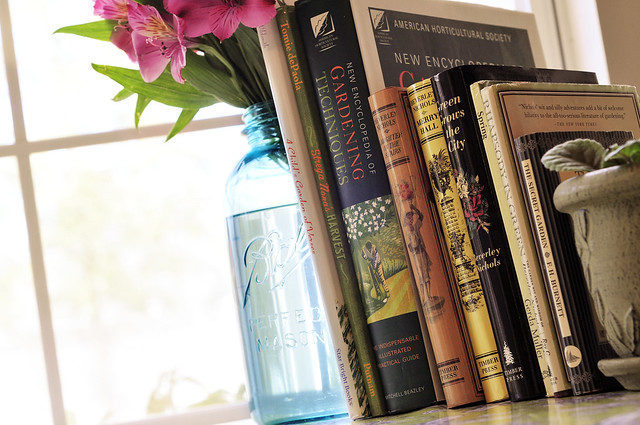
However, since I have one of you to thank for this book recommendation, and I want to keep the good times rolling, here are three more books for your reading pleasure.
//
//
Today, I’m giving you characters.
When I read novels what I want more than anything – more than a great plot or beautiful language – is character. I want human beings who are so fully realized, so perfectly flawed yet sympathetic, that I struggle to believe they have been created out of nothing more than the alphabet.
Cassandra Mortmain is a marvel of a narrator. She is the wonderfully awkward heroine of Dodie Smith’s 1948 novel I Capture the Castle . The incredible thing about this novel is that the narrator, who hovers somewhere between childhood and adulthood, does not know herself and yet she fully reveals herself to us. We have only her words, but we know things she is only slowly discovering.
This novel is sweet, funny, and over-the-top in so many good ways. We have a crumbling English castle, first love, eccentrics around every corner, and poverty that is a little worse than genteel. Cassandra, like the story she tells, is a gem.
And no bathroom on earth will will make up for marrying a bearded man you hate. – Dodie Smith
Next, I give you a character who is much darker and more mysterious. He is a young, Irish police detective, and he is the narrator of In the Woods by Tana French.
French writes what some have called “literary mystery thrillers.” Literary is a rather inadequate word, but what it should tell you is that French is an incredible writer. In particular, she has a gift for characters.
Although the plot will keep you turning pages late at night (my life pretty much comes to a standstill whenever French publishes a new book), if you value plot (especially those of the neat and tidy variety) you may be disappointed.
I think I love French’s books because, though they are atmospheric and wildly creative, I find them to be more honest than most mysteries. French gives us compelling characters and page-turning stories, but she does not pretend that all mysteries can be solved, that all questions can be answered, or that the past can always be known.
What I am telling you, before you begin my story, is this – two things: I crave truth. And I lie. – Tana French
I am always amazed that one small island can produce so many gifted writers. Here is another: the Irish writer Colm Toibin. Brooklyn: A Novel is told by Eilis Lacey. She is a young woman who has grown up in a small Irish town just after the second world war. Sponsored by a priest, Lacey leaves her family and goes, alone, to make a new life in America.
This is a quiet book. Beginning it, you may find it too easy to put it down and forget to pick it up again. Don’t do this: you are in the hands of a master. Turning pages you will begin to care for Eilis, you will see the world through her naive but curious eyes, and you will know, having turned the last page, that you have been richly rewarded.
‘She has gone back to Brooklyn,’ her mother would say. – Colm Toibin
Tell me, who are the characters you especially love?
You can find earlier recommendations here: week one, week two, week three, week four, week five, week six, week seven, and week eight.
by Christie Purifoy | Feb 9, 2012 | Books, Food

I write a great deal about books on this blog. You know that I love Irish poetry and the novels of Virginia Woolf. You know that I love Harry Potter and the Hunger Games. You may not know that I love well-written detective novels like those by Margery Allingham (past) and Kate Atkinson (present).
A significant sub-genre in the large category of Books I Have Loved is Food Books. This includes my childhood favorite Little Farmer Boy, by Laura Ingalls Wilder. Even today, I could happily read those descriptions of nineteenth-century farm meals over and over and over. Wilder can make me drool even for headcheese.
It also includes Food Memoir. This seems to be a very popular genre today. I haven’t actually read many of these books, but I have noticed whole stacks of memoirs with words like cupcake, lemon, chocolate, etc. in their titles. My own favorite food memoir may be Down the Kitchen Sink, by Beverley Nichols. His gardening books are the best, but I love Nichols no matter his subject. He’s sentimental, nostalgic, and rather snobbish (well aware of his own foibles, he would no doubt prefer the term “romantic”), but he’s witty, supremely British, fond of name-dropping and more comforting than the most comforting comfort food.
Lastly, there are cookbooks. I read them like novels and am drawn both to the glossy and new (Ina Garten! Babycakes!) and the vintage and worn (The Kitchen Garden Cookbook with watercolor illustrations by Tasha Tudor!). One of my all-time favorites for reading pleasure is Apples for Jam. The recipes are organized by color (pink! green! white!) rather than food type or meal. It’s totally impractical and wonderfully inspiring.
Last spring, I inherited (via estate sale) a whole stack of vintage cookbook treasures. When I paid for them, the daughter of their previous owner sighed and told me that her mother used to read cookbooks like novels. I told her I’d be keeping them on my bedside table for just that reason.
My favorite of her books is The Margaret Rudkin Pepperidge Farm Cookbook. The title may sound corporate and rather soul-less, but if you could hold it in your hands you would know right away how wrong that first impression is. This is a hefty, hardback covered inside and out with delicate ink drawings, many of them in full technicolor glory. Originally published in 1963, mine is the 1965 edition.
It is part cookbook, part memoir (as the best cookbooks usually are), and describes the life, times, and food of Margaret Rudkin. Apparently, Mrs. Rudkin was inspired to begin baking and selling Pepperidge Farm bread because of her child’s food allergies. Thus, she is dear to this mama’s heart.
Part One of this book describes Mrs. Rudkin’s childhood in a New York City brownstone. It seems they ate a lot of soup and fish. I might try the recipe for Strawberry Soup. Likely, I will skip the Pickled Lambs’ Tongues.
Of course, I also enjoy actually cooking. And certainly, I love to eat. Still, one can only cook or eat so much. But reading … ah, reading. With books I am never sated.
Do any of you share my love for cookbooks and books about food? Any recommendations? I’m always hungry for more.


