
A Poem For Your Monday
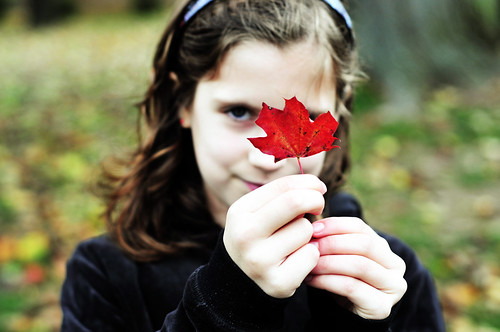
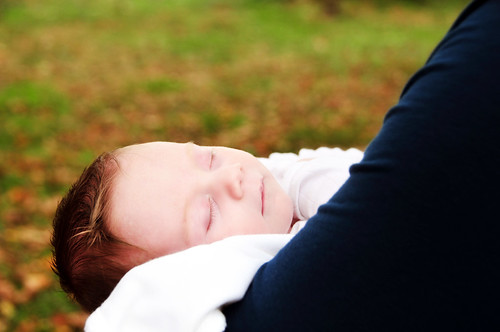
My firstborn holds my fourth and all I can think is how much time gives us and how much it takes away.
I looked forward to autumn for ages, it seems, and now, suddenly, we have tipped over into frosts and bare trees. Is it any wonder, holding this tiny baby and reading this book to the nine-year-old, that I want to slow everything down? Time, itself, included?
Later, arms emptied by bedtime, I read “In Season.” Now I wonder, would I really see these two daughters, and in seeing, love them, if I weren’t prompted by the shifting season?
If the season were as endless as this poem’s tea-cup climate would I be content, like the tea-cup couple, to hold my family at arm’s length? To love them, but only in convenient ways?
In Season
The man and woman on the blue and white
mug we have owned for so long
we can hardly remember
where we got it
or how
are not young. They are out walking in
a cobalt dusk under the odd azure of
apple blossom,
going towards each other with hands outstretched.
Suddenly this evening, for the first time,
I wondered how will they find each other?
For so long they have been circling the small circumference
of an ironstone cup that they have forgotten,
if they ever really knew it, earth itself.
This top to bottom endlessly turning world
in which they only meet
each other meeting
each other
has no seasons, no intermission; and if
they do not know when light is rearranged
according to the usual celestial ordinance –
tides, stars, a less and later dusk –
and if they never noticed
the cotton edge of the curtains brightening earlier
on a spring morning after the clocks have changed
and changed again, it can only be
they have their own reasons, since
they have their own weather (a sudden fog,
tinted rain) which they have settled into
so that the kettle steam, the splash of new tea are
a sought-after climate endlessly folded
into a rinsed horizon.
– Eavan Boland
A Poem For Your Monday
This poem is well suited to November’s darker days.
The changing of the clocks seems like an example of humanity’s authority over its own environment, and yet it always reminds me just how out-of-our-control day and night, light and dark truly are. The days will grow shorter, no matter our efforts or anxieties. Nature will begin to die. We will too, come to that.
This poem suggests that embracing the inevitable (whether it be the changing of the seasons or death itself) need not be an act of despair. It can be an act of great trust.
Technically, I should call this a pastoral poem, but, to me, it always reads more like prayer.
Let Evening Come
Let the light of late afternoon
shine through chinks in the barn, moving
up the bales as the sun moves down.
Let the cricket take up chafing
as a woman takes up her needles
and her yarn. Let evening come.
Let dew collect on the hoe abandoned
in long grass. Let the stars appear
and the moon disclose her silver horn.
Let the fox go back to its sandy den.
Let the wind die down. Let the shed
go black inside. Let evening come.
To the bottle in the ditch, to the scoop
in the oats, to air in the lung
let evening come.
Let it come, as it will, and don’t
be afraid. God does not leave us
comfortless, so let evening come.
– Jane Kenyon
(I also shared this poem last November.)
Bricks, Trees, and the Kingdom of God
A few people have recently asked if this place feels like home yet.
I haven’t been sure of my answer. I know that it is home, but does it feel like home?
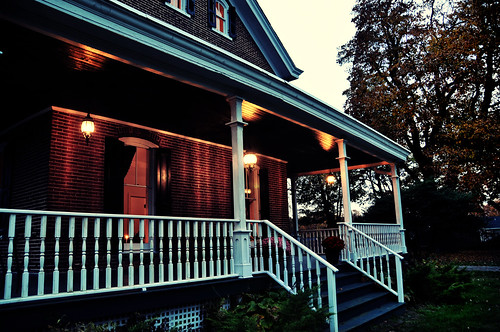
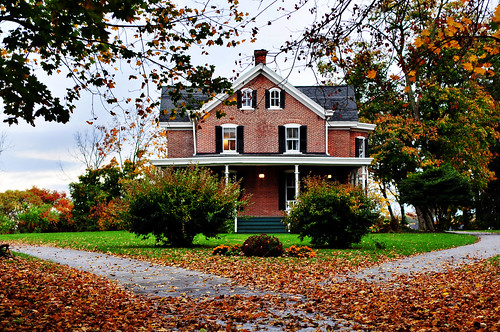
Lying in bed last night, I finally puzzled it out. It seems presumptuous to call this place – the old brick house, the long maple-lined drive, the falling-down barn – my home. I haven’t earned it yet.
The house has been here for more than 130 years. The farm for longer than that. The stone remains of the ice house and various other outbuildings (we’ve taken to calling them “the ruins”) testify to just how long this place has been cultivated, lived in, and cared for.
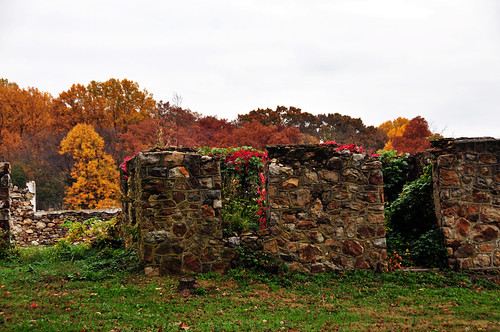
How can I waltz in and call it my home?
I need to sweep a few more floors, plant a few more trees before I can feel comfortable making that claim.
And we will plant those trees. We’ll wait for late winter or early spring, and then we’ll dig in four fruit trees. One for each of our babies.
We have plans for blueberry bushes, a few more maples to fill in the gaps, and I’m trying to decide exactly where to carve out the asparagus bed.
Did you know that asparagus can come back every spring for twenty years or more? Placing that bed is a big decision. It matters.
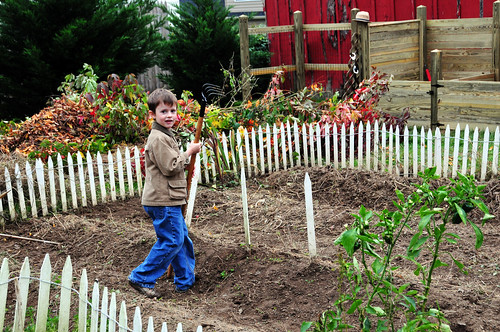
Or, does it?
I can remember someone in the Christian circles of my childhood saying this: “The only things which last forever are the souls of men and the word of God.” I can’t remember who said it, and I can’t remember (or perhaps never knew) if they were quoting someone else.
I can remember, even as a kid, feeling the rift between how those words were supposed to make me feel (focused, committed, inspired) and how they actually made me feel (depressed, primarily). And now I know why: those words aren’t true. They leave out too much.
They leave out fruit trees and asparagus.
Clean floors and campfires.
Friendship.
Love.
Home.
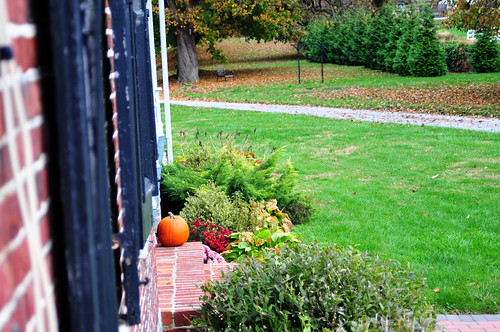
God is making all things new, and our lives, our daily this and that, are a part of that great project. This is an old place, yes, but it, like all other good things, is being renewed.
In God’s kingdom, the stuff of earth can become so much more. This is true of bread and wine. It is also true of bricks and trees.
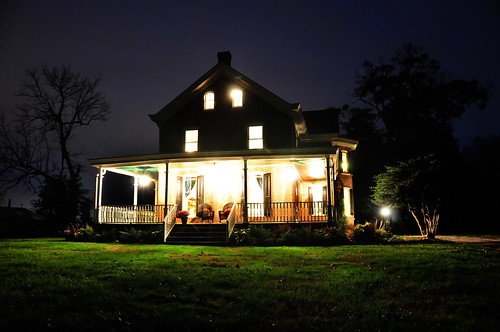
Our bricks.
Our trees.
For His glory.
Amen.