by Christie Purifoy | Jun 9, 2020

(Part 1 of this post, all about rooting cuttings in water, can be found here)
Rooting plant cuttings in water may be the easiest way to propagate new plants, but I think plunging that cutting in soil is a close second.
Certainly, both methods can fail. Some cuttings refuse, for reasons unknown, to grow roots. Sometimes a cutting loses too much water through its leaves before a significant root system develops. Sometimes a cutting rots. But taking cuttings is so easy, even if our success rate is low, we are likely to create a surprising number of new plants for our gardens.
These baby plants will be smaller than the plants we typically see at our garden centers, and will need more care and attention than a plant with a larger root system. But most likely we will be surprised at just how quickly these new plants establish and grow.
Here is a helpful tutorial with instructions for three different methods of growing new shrubs from cuttings.
Boxwoods are a popular landscape plant that are especially easy to grow from cuttings. Forget that jar of water on your countertop: simply stick the bare stems of a six-inch stem into fertile soil.
Here is a blogger who shows us just how easy this can be.
Finally, here are some of the terms you are likely to encounter as you research propagation methods and plants you might consider propagating:
Softwood Cuttings: these are cuttings of fresh, new growth.
- aster
- butterfly bush
- salvia
- rose
Greenwood (or Herbaceous) Cuttings: these cuttings come from plants without woody stems
Semi-Ripe / Semi-Hardwood Cuttings:
Hardwood Cuttings:
- deciduous shrubs
- vines
- fruit plants
- trees
Explore all our Black Barn Garden Library posts here.
by Christie Purifoy | Jun 8, 2020
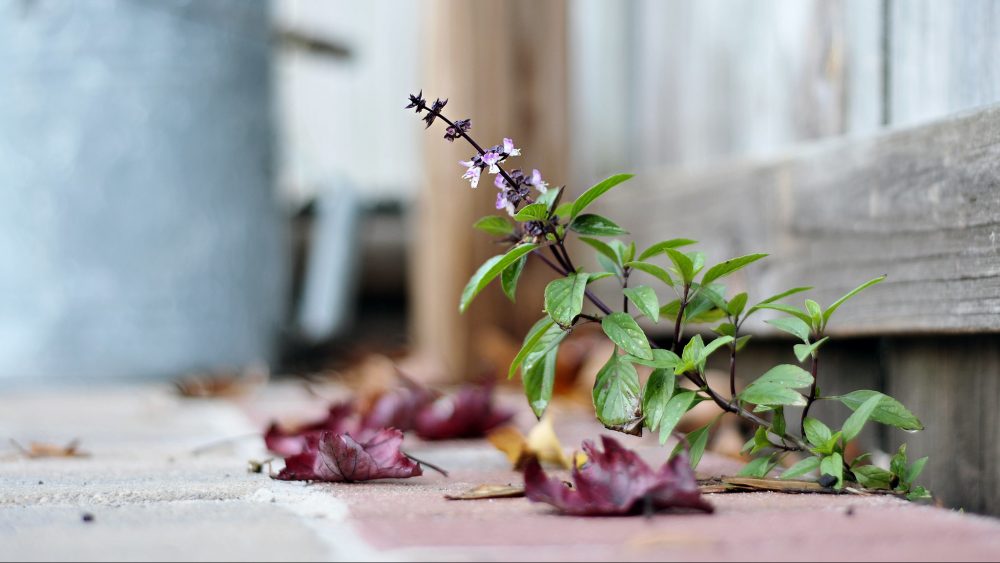
I think if we realized just how easy it is to propagate some plants, we’d begin to see our scissors and clippers as our most important garden tool.
If I were to plant an apple seed, I would not grow a tree with similar apples. If I want to grow the same kind of apples, I need to clone my tree. If that sounds like a practice best left to scientists in their labs, it’s actually something home gardeners have always done in order to increase their plant numbers or to create plants for giving away.
To clone a plant, we simply cut off a stem tip of fresh, green growth and encourage it to grow roots of its own. That rooted cutting can then be planted out. This means we will have two plants with the same genes.
Cuttings from some plants need to grow new roots in soil, but some happily grow new root systems entirely in water. This means you can keep a few cuttings in jars of water on your countertop, watch those roots grow, and then plant them out in a container or right into the garden.
It’s convenient, yes, but why else should we consider rooting new plants in water? Plants growing in water are less prone to fungal problems or pests like gnats.
Here are some of the plants that are able to root in water:
Herbs
Herbs like mint, lavender, sage, basil, thyme, oregano, and lemon verbena do well in water. Best of all, even if you aren’t sure if your herb will root in water, this is a painless experiment to try.
Make sure that you strip the bottom stem of its leaves so they don’t rot and pollute the water. I aim for stems that are about 6 inches long, and I strip the bottom 4 inches of leaves. If you are using herbs from the grocery store, you will want to give the bottom of your stem a fresh cut.
Tropical Houseplants
Familiar houseplants like pathos, African violet, creeping fig, begonia, and many others can be rooted in water.
Explore all our Black Barn Garden Library posts here.
by Christie Purifoy | Jun 4, 2020

Gardening offers up pleasures far beyond the limits of our own raised bed or fence-line.
When we tire of our own space or feel overwhelmed by weeds or hot weather, we can recharge our gardening batteries by enjoying the fruit of someone else’s labor.
Here are three ways to do just that:
- Monty Don! Monty Don is possibly the UK’s most visible and most popular gardener. He is a writer and television host, and I am always encouraged by his endless enthusiasm. Many of his television programs can be found on various streaming services. He hosts the BBC television show Gardener’s World every week spring through fall, but I especially appreciate his longer travel programs like Monty Don’s American Gardens, Around the World in 80 Gardens, Monty Don’s Italian Gardens, and Monty Don’s French Gardens.
- Classic Gardening Books: I especially enjoy reading about gardening when it’s either too hot or too cold to be outside. The classic garden memoirs of Beverley Nichols are sweet and fun. He writes about house and garden with wit and whimsy.
- Garden Visits: I often share my appreciation for the many fine public gardens here in the Philadelphia area. I could spend every day wandering the grounds of Longwood Gardens, Winterthur, and Chanticleer, to mention just a few. If you are lucky enough to live within driving distance of a public garden, I encourage you to prioritize a visit. Public gardens and botanical gardens also frequently offer educational programs. It is also possible to fill your Instagram feed with virtual garden tours. I especially recommend following he famous British garden Great Dixter here on Instagram.
Explore all our Black Barn Garden Library posts here.
by Christie Purifoy | Jun 2, 2020

Plant propagation. It sounds like something from a science textbook, doesn’t it?
Now many gardeners approach their practice from a scientific point-of-view. They love soil tests and precise formulas and would never “wing it” when it comes to feeding their plants or filling their raised beds.
I am not one of those gardeners.
Which I think is why it took me years to accept that even non-technical, non-scientific me should be making new plants from the plants I already have.
One of the easiest ways to do this is through division.
Hostas, daylilies, and iris are common garden plants that are also very easy to divide. Division simply means to dig them up and then, sometimes gently, sometimes with the force of a sharp spade, the gardener splits her big plant into smaller ones before replanting them out in her space.
I divide my hostas and daylilies in early spring when they are just beginning to grow. I divide my iris after it blooms. A quick internet search can help you on the details of when and how for your particular plant, but most perennials can be divided in spring or fall.
Even easier than division is taking cuttings and rooting them.
This, too, sounds more technical than it is. “Take a cutting” by snipping off a stem of fresh, green growth. Strip the leaves from the bottom of the stem and then, depending on the particular needs of the plant, either plunge it in a glass of water and leave to grow roots, or plunge it into a small pot to do the same.
While some plants root more easily than others, it’s worth trying with most of our garden perennials like phlox or mums.
When I feel self-doubt or feelings of inadequacy holding me back, I remind myself to simply try. What’s the worst that could happen? Chances are that hosta will bounce back just fine, even if we do it “wrong.”
Gardens are forgiving places. They want to grow.
Explore all our Black Barn Garden Library posts here.
by Christie Purifoy | Jun 1, 2020

Maybe it’s because I was born in June, but I’m always in a mood to celebrate this time of year.
Here at Maplehurst in Pennsylvania, the flower garden is at its most flower-y, and a long spring of garden work is behind me.
But celebration takes discipline. It requires commitment. As the days grow warmer (and perhaps even hotter and stickier and buggier), it can be easy to lose momentum, to begin to see our outdoor spaces as burdens rather than blessings. Taking the time to celebrate with intention may be as important as deadheading the fading roses and pulling the weeds.
Here are some ways I’ll be celebrating the garden this month:
Flower Crowns
I’m no florist, but even an amateur can gather a few flowers for her or her daughter’s head. One of my most precious garden memories is of the time I hosted a Summer Solstice gathering for several families who have young children. We gathered buckets of flowers from the garden and made flower crowns at our old picnic table. Even my sons joined in.
There are many ways to do this–from simple daisy chains to more elaborate creations with floral tape and wire. I like this tutorial from Taproot magazine and Erin Benzakein of Floret Farm.
Cut Flowers
I am a committed cutter-and-bringer-in-of-flowers. It can be hard for a gardener to do this when the outdoor picture we’ve created seems just right. But it’s amazing how much cutting a garden can take before it shows.
I look beyond flowers for things to cut and bring indoors: fern fronds and hosta leaves, cuttings from flowering shrubs, even weeds can be beautiful when brought indoors.
I am inspired by the idea and the Instagram hashtag #onebouquetperday
Feasts and Flavors
You may or may not grow many edibles, but making something wonderful and unique to taste from our gardens is a celebration in itself.
This month I’ll be making elderflower champagne, strawberry shortcake (with basil!), and decorating my birthday cake with roses.
More ideas?
I look forward to hearing your own celebratory ideas–either here in the comments on this post or in our community space on Mighty Networks.
This month, let’s commit to celebration. Let’s picnic under trees, eat fresh-picked berries for breakfast, lunch, and dinner, make rose petal jelly, and … so much more.
Explore all our Black Barn Garden Library posts here.


